Master the Road: The Ultimate Guide to Seamless Vehicle Care

Keeping a vehicle in good working order involves a regular focus on both safety standards and mechanical health. Carrying out periodic checks helps to ensure that each part of the vehicle is working in order to guarantee the safety of the driver and the other road users. This blog aims to highlight the significance of annual testing and proper tyre maintenance in today's driving industry.
It also gives a comprehensive step-by-step description on how to get these done without the need to spend a lot of money or lower the level of safety. Furthermore, it will help the reader with tips on how to spot typical problems and make the right selection of service providers for their particular requirements.
Importance of Annual Testing
It is a legal requirement that every car that is more than three years old has to be thoroughly checked for safety at least once a year. This compulsory examination is done to check the efficiency of various vehicle components, including brakes, lights, and emission levels. A certified mechanic will also do an inspection of the physical condition of the car to confirm that it is still in accordance with the regulations. Locating a trustworthy provider for a Cheap MOT Warwick is a step that will not only help car owners to adhere to the law but also to balance the budget of their household in a very efficient way.
Braking System Evaluation
The braking system, without including the engine, is the most important feature for the safety of a vehicle. To make sure the brakes work safely and efficiently, technicians will examine the brake pads and discs, as well as check that the brake fluid is topped up. If any parts of the brake system are worn, it is quite possible that the distance required to bring the vehicle to a stop will be increased. Furthermore, this may also create the risk of a road accident.
Exhaust and Emission Standards
The latest environmental legislation dictates that vehicles have to control their emission levels of harmful gases. To carry out the measurement of the various gases being emitted through the exhaust pipe, the inspector will use some type of specialised instrument. If the emission values are over the permissible limit, the vehicle will be marked as a 'fail'. Consequently, the vehicle will have to be repaired before being retested.
Managing Tyre Damage Effectively
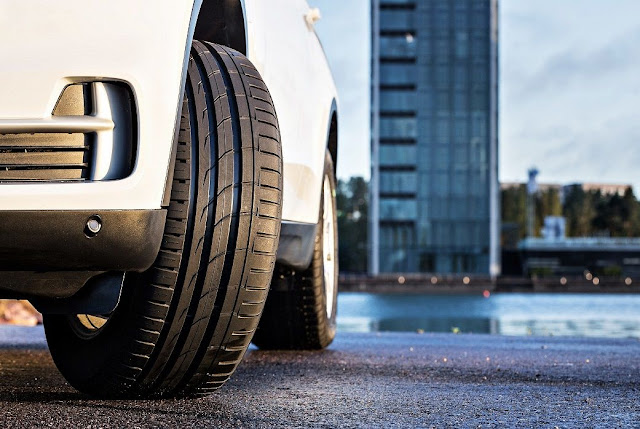
Tyres constitute the only part of a vehicle that comes into physical contact with the road surface. Sharp objects like nails or glass frequently cause punctures, which inevitably bring a halt to a journey. Making a purchase of a brand-new tyre is not always the immediate option since many drivers go for professional tyre repairs.
When a driver opts for a Puncture Repair Warwick that really stands out in terms of quality. They will get their tyre damage fixed in compliance with the most up-to-date and stringent British safety standards. In many instances, repairing a puncture is simply a matter of the hole being in the tread area of the tyre that is in contact with the road.
Identifying Tread Wear Patterns
Uneven wear of the tyre surface is something that can be spotted by the driver if the tyres are checked on a regular basis. This quite frequently suggests that the problem lies with wheel alignment or one or both tyres having been run at an improper pressure level. Regular examination, apart from helping in knowing the working condition of the tyres, will also result in a longer life span of the rubber compound.
Dealing With Slow Leaks
At the beginning, a slow leak in a tyre can easily be overlooked since it does not pose an immediate threat. However, over a period of time, the leak can cause damage to the inside of the tyre. One of the spots that needs attention in checking a tyre that keeps deflating is the valve and the rim. Getting to the root of these minor problems early on can save a lot of hassle of having to get the tyres changed completely later on.
Essential Fluid Level Checks
The main function of engine oil is to act as a lifeline of mechanical systems by minimising friction. If the engine is not properly lubricated, metal parts can rub together and result in a major breakdown. It is advisable for drivers to examine the dipstick a minimum of once a month to make sure that the levels are still good.
Radiator fluid plays a critical role in the engine, unlike air, because it shields the engine from high temperatures when running on long routes. It is very easy to do these top-ups, and the result is that one can save huge amounts of money otherwise spent on car repairs.
Power Steering Fluid Maintenance
The steering wheel should be easy and quick to handle with every movement. A low power steering fluid level might make the steering wheel feel heavy and even produce a sound. A full tank of this fluid not only helps prevent pump failure but also makes squeezing through tight spots a piece of cake.
Screenwash for Clear Vision
What one sees is the most important thing in driving comfortably and safely in all-weather conditions. A filled-up screenwash container means that the screen is cleaned of dirt and humid in no time. This would be the most necessary one during the winter season when the road salt gets sprayed on the windshield.
Battery Health and Performance
Generally, in normal usage, a car battery is expected to function for about three to five years. If someone is using their vehicle in cold weather, their battery will come under extra pressure, and it will be more difficult for the engine to start. By checking the battery voltage from time to time, a driver can sidestep the irritation of a car not starting. Also, cleaning the battery terminals will make sure there is a good electrical connection all over the car.
Signs of Battery Failure
Dimmed dashboard lights or the engine starting very slowly point to a weakening battery. When one finds the vehicle's electronics behaving abnormally, it might be time to get to a garage. Spotting the battery issue early can result in a new battery being installed at a scheduled time instead of waiting for the car to break down unexpectedly.
Benefits of Regular Charging
Often, the alternator is unable to completely recharge the battery if the driving consists of short trips only. A longer drive on the motorway can be a good way to keep a battery charged adequately. Apart from this, for example, if a vehicle remains stationary for several days, it is good for it to have a proper charging drive occasionally.
Lighting and Visibility Standards
Since lights are a fundamental part of the communication with other road users and the way to see the road ahead, they must always be working. The failure of a lightbulb in a signal or in brake lights could cause accidents or police fines. One should make a habit of just going around the car every time with the lights on to check that no bulbs have failed. Usually, replacing bulbs is quite a simple task and does not require one to be an expert mechanic or to have expensive tools.
Conclusion
The state of the car is a direct reflection of the care for public safety as a driver. Nipping minor problems in the bud before they get out of hand is one of the best ways to guarantee an uninterrupted driving experience all year long. Expert mechanics have the skills that make it possible not just to fix but to maintain vehicles at the highest level.
When car owners stick to a maintenance schedule that is well laid out, they not only get to count on their vehicles for reliability but also enjoy the comfort of knowing that these vehicles are always in good condition. Time devoted to all these inspections, etc., is basically invested in a way that prevents expensive emergency call-outs. The management of a vehicle that is able to run well without breaking down frequently is simply a matter of being proactive instead of reactive to the occurrence of mechanical problems. With the right attention, a car will continue to be an asset that they can rely on for a long time.


Comments
Post a Comment